A materials guide
Block paving, resin, stone or gravel — which surface suits your plot?
Most people choose a driveway or patio surface from a photograph, then find out afterwards what it costs to live with. This is our plain guide to the surfaces we lay most often: what each one is genuinely good at, where it disappoints, and what the ground underneath has to do to support it. No prices here — a surface only gets a price once we've seen the plot, the access and what's under it.
01Surface
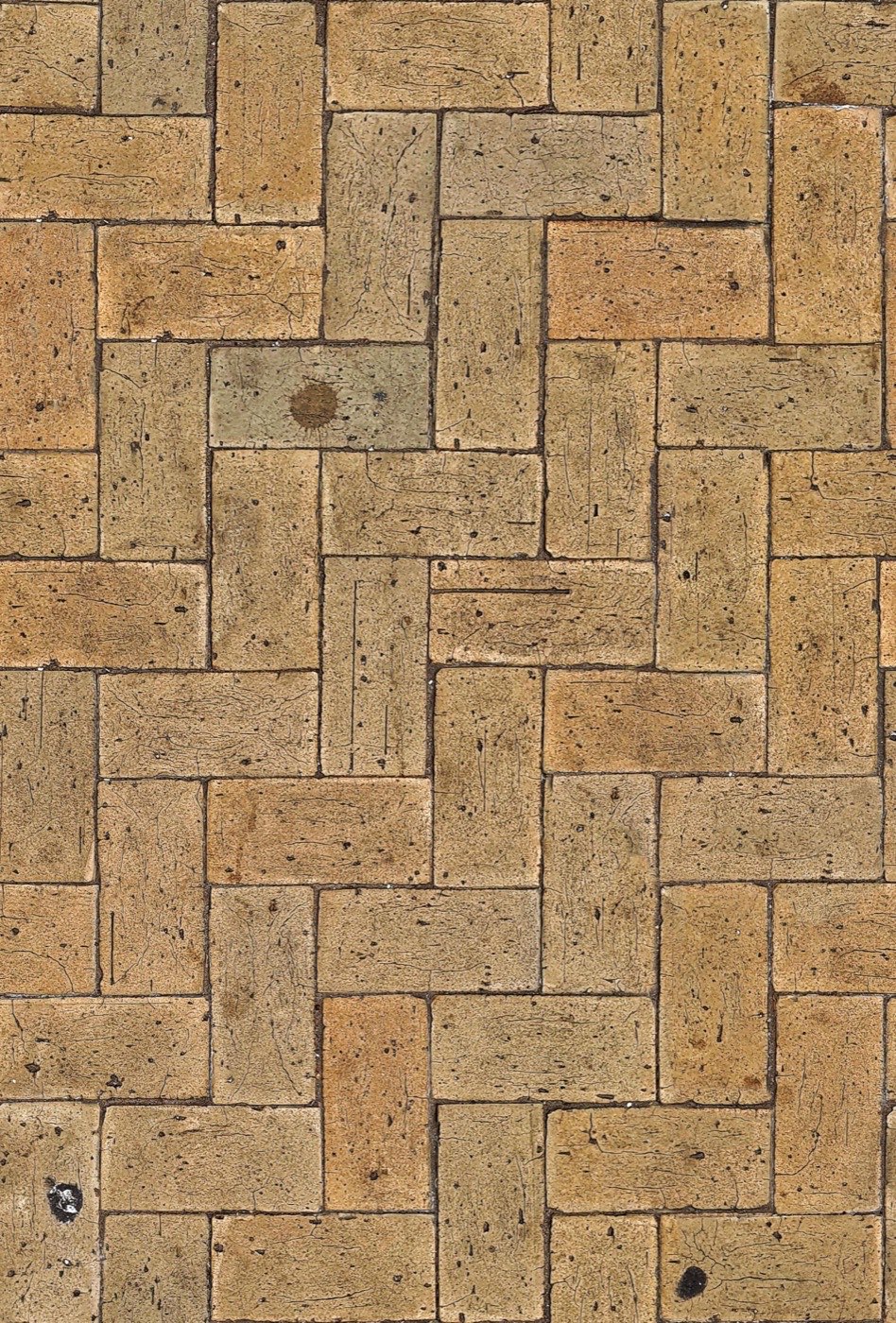
Concrete block paving
- What it is good at
- Tough, repairable and forgiving. Individual blocks can be lifted and re-laid if a service has to come up, and a settled patch can be taken out and re-set rather than the whole drive being ripped out. Laid in herringbone it interlocks and spreads a wheel load properly.
- What to watch
- Joints need re-sanding every few years and will take weed seed if you let them. Cheap blocks fade unevenly. None of it works without edge restraints — if the edges aren't held, the whole field creeps.
- What the base has to do
- Excavation to depth, a compacted sub-base, laying course and kerbs or edgings set in concrete. This is the part that decides the outcome.
02Surface
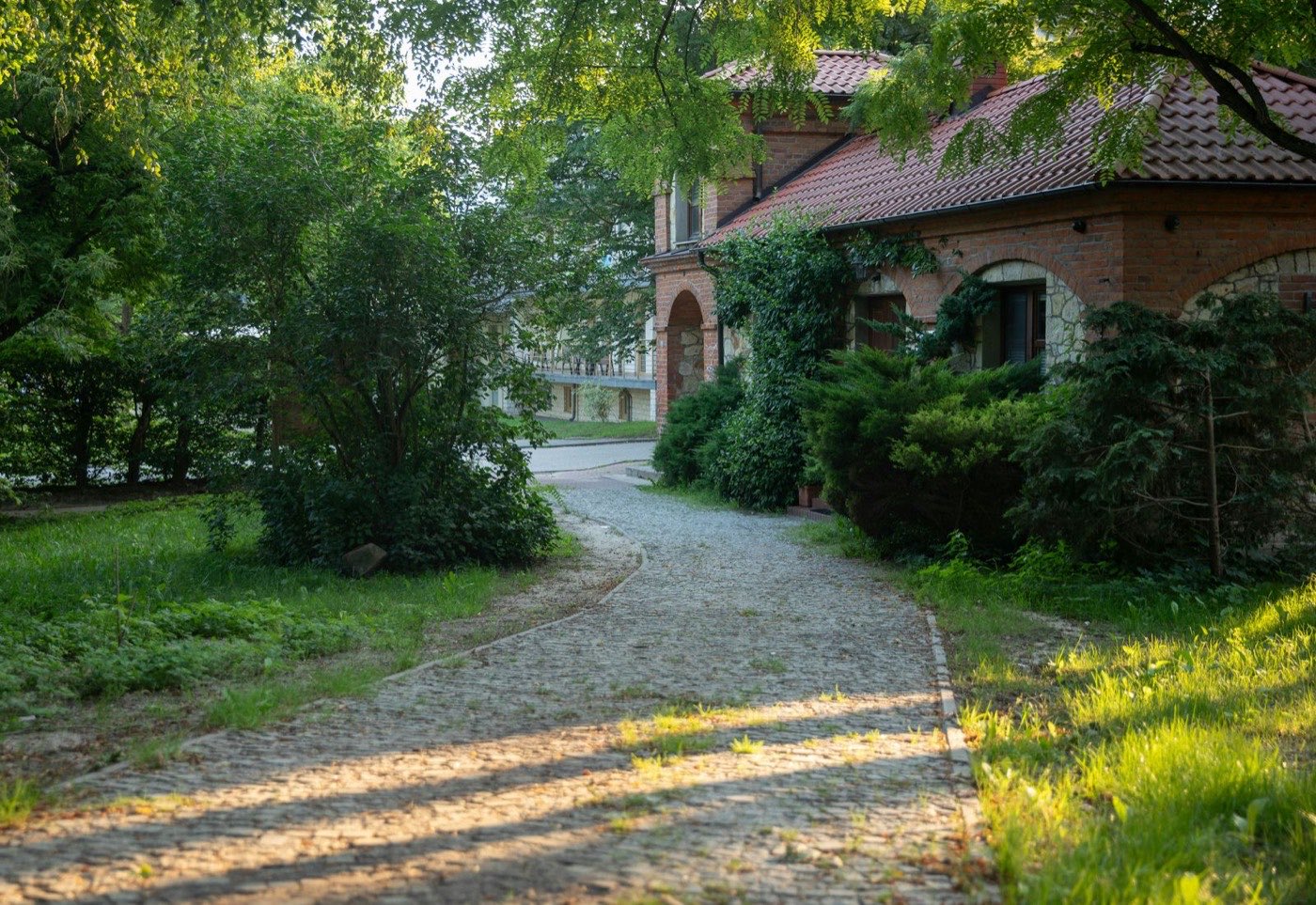
Resin bound aggregate
- What it is good at
- A seamless, permeable finish with the look of gravel and none of the migration into borders and the road. Smooth to wheel a bin or a pushchair over, and good where surface water has to drain through the surface rather than run off it.
- What to watch
- It is a topping, not a structure: it inherits every fault in whatever it is laid over. Laid over a tired base it will crack where the base cracks. It also wants a dry spell to go down properly.
- What the base has to do
- Either a new concrete or bound base, or an existing one we've checked and repaired. We will tell you if yours isn't fit to take it.
03Surface
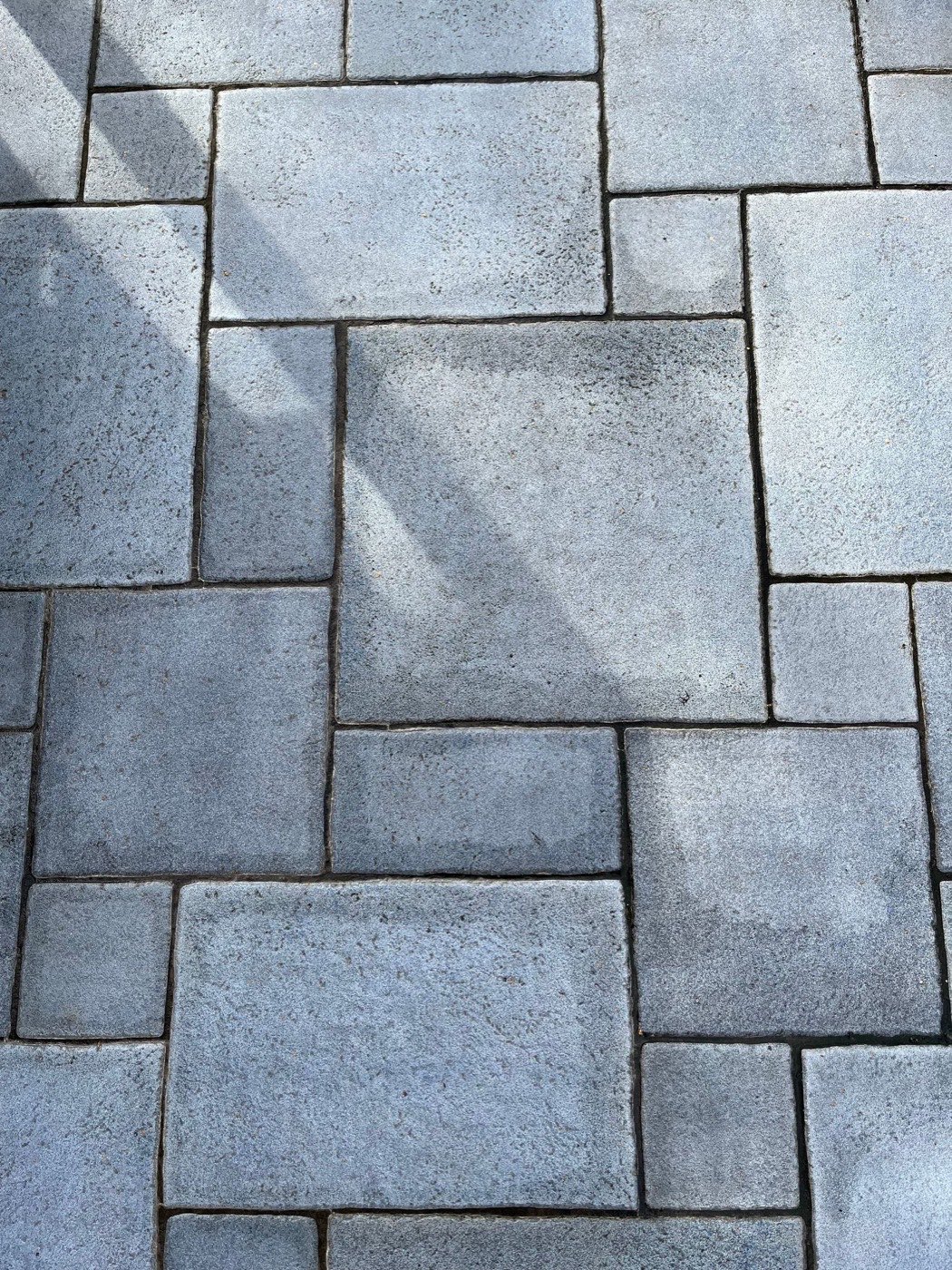
Natural stone — sandstone & porcelain
- What it is good at
- The best-looking terrace surface, and porcelain in particular holds its colour and shrugs off algae. Riven sandstone suits older houses; sawn stone and porcelain suit newer, squarer buildings and bi-fold thresholds.
- What to watch
- Natural stone varies in thickness slab to slab, so it has to be bedded individually rather than laid to a set course. Porcelain is dense and needs the right primer and adhesive — dropped onto sand it will simply fail.
- What the base has to do
- A consolidated sub-base and a full mortar bed, set to falls, with jointing suited to the material rather than whatever is in the van.
04Surface
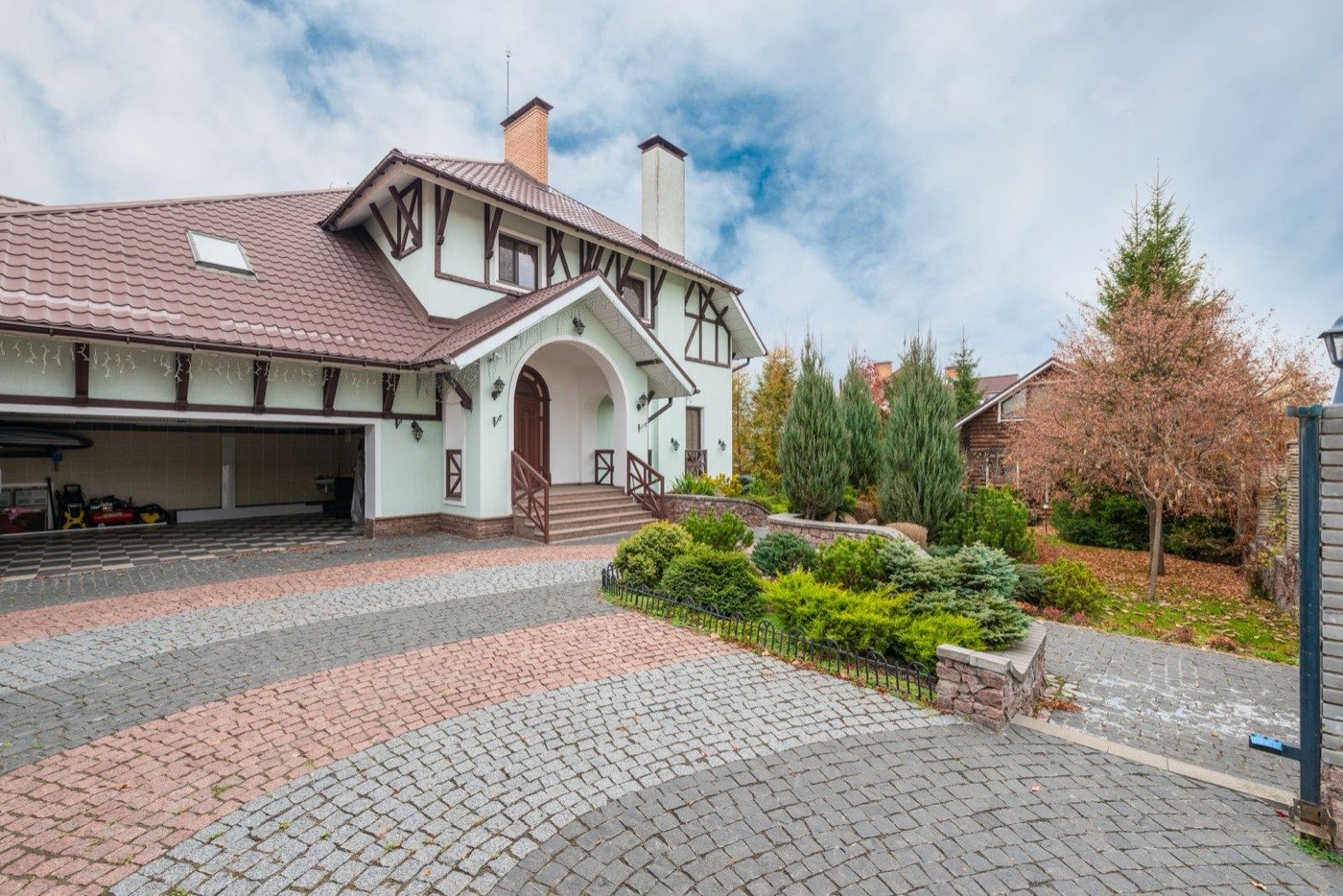
Loose gravel & shingle
- What it is good at
- The quickest and least disruptive surface to lay, free-draining by nature, and it makes a noise when someone walks up the drive — which some clients want. Easy to top up.
- What to watch
- It migrates. Without proper edgings and a membrane it ends up in the borders, the lawn and the road, and it is hard work on a slope or with a pram. Needs raking and topping up.
- What the base has to do
- A firm, free-draining compacted base, a membrane to keep weeds and the sub-base separate, and edgings that hold the material where you put it.
05Surface
Concrete — bases & slabs
- What it is good at
- The right answer under a garage, a garden room or an outbuilding, and under some driveway surfaces. Poured level and cured properly it is the most stable thing you can put a structure on.
- What to watch
- It is unforgiving once it has gone off. Services, ducts, falls and thresholds all have to be decided before the pour, not after — and it needs curing time whatever the programme says.
- What the base has to do
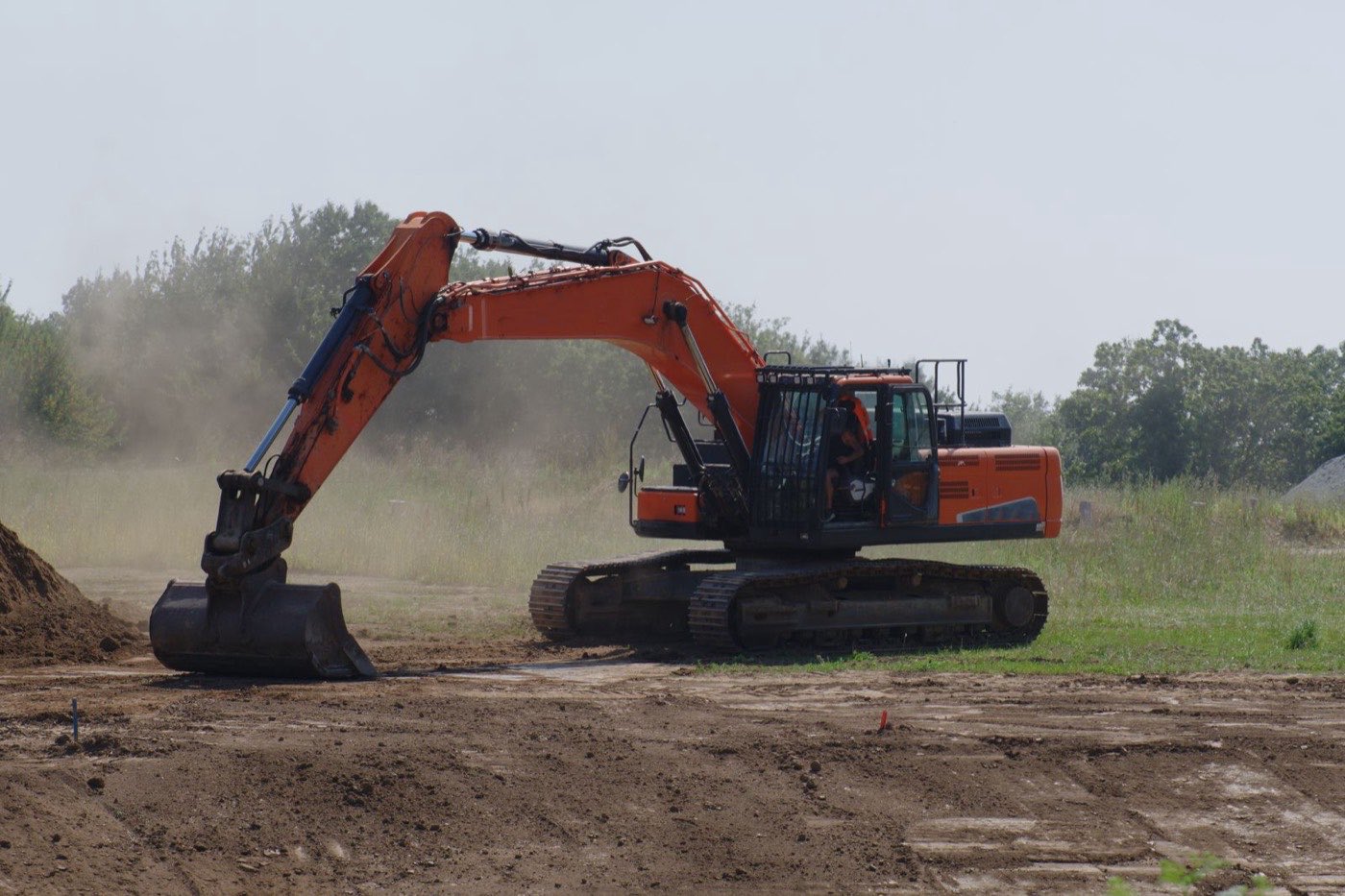
- Excavation to formation, formwork, reinforcement where the load calls for it, and drainage and ducts in place before anything is poured.
What actually changes a quote
Six things we look at before anybody talks about a figure.
We don't publish rates per square metre, because the square metre is rarely what decides the job. This is what we are actually looking at while we walk the plot with you.
- 01How much of the surface is being replaced, and whether the existing base can be kept.
- 02What is actually under the ground — clay, made ground, old foundations, roots or a forgotten drain run.
- 03The fall of the plot, and where surface water is currently going.
- 04Access for machinery and for carting spoil away — often the single biggest variable on a London or town-centre plot.
- 05Whether drainage, a soakaway or new edgings are needed to build it to last.
- 06Whether lawns, fencing, planting or walling are being done at the same time.
We'd rather talk you out of the wrong surface.
We would rather talk you out of the wrong surface than lay it and be called back. Ring the office or Arban's mobile, and we will come and look at the ground before anyone talks about a figure.
See it laid rather than described.
Every photograph in our gallery is our own work, shot on site — including the mid-build stages where the base and the edges are still visible.